


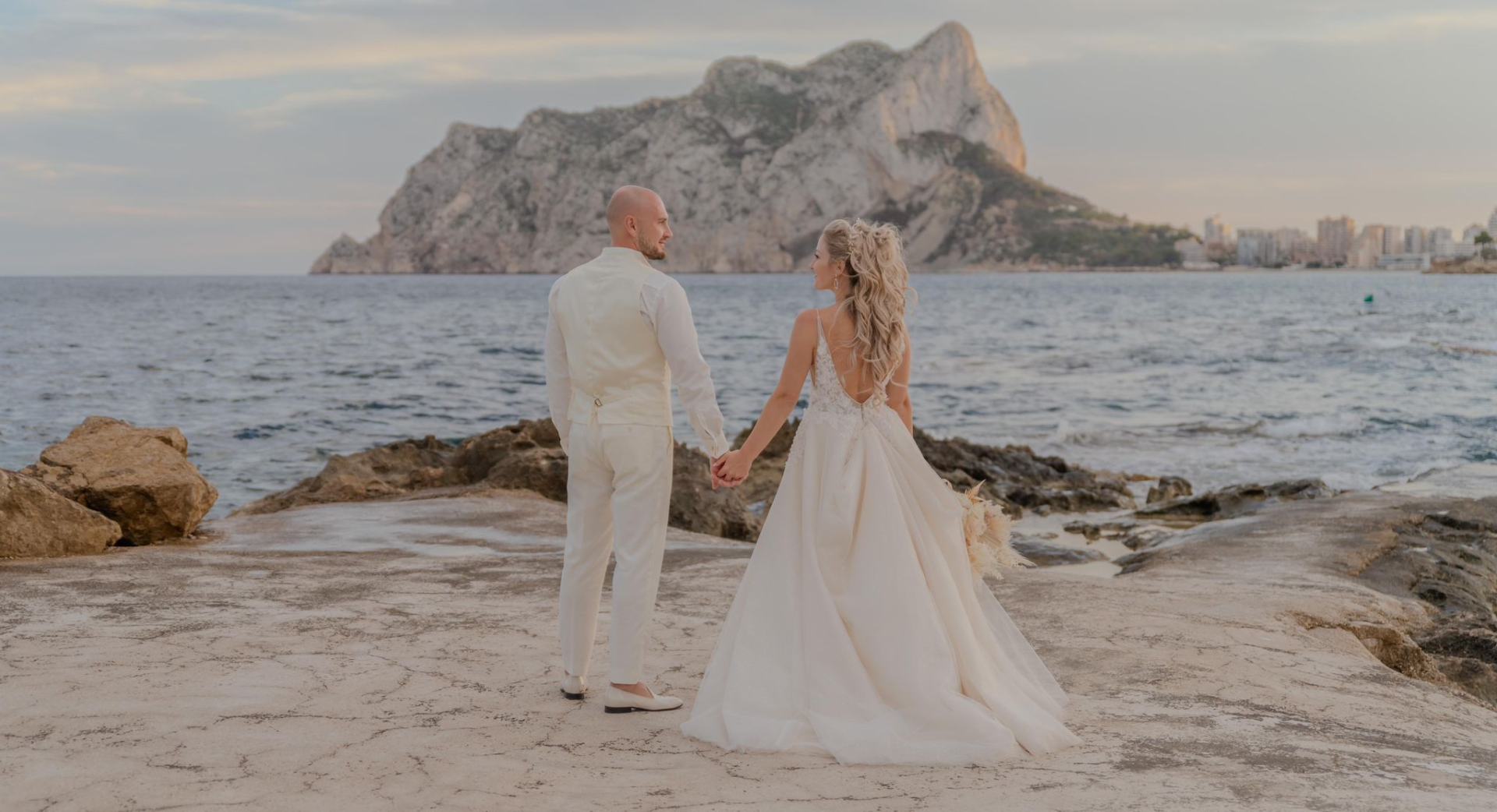
When couples begin planning a destination wedding in Spain, their focus is understandably on venues, guest numbers, and dates. Currency planning rarely features in those early conversations - yet it can have a significant impact on what a wedding budget can actually deliver.
As a destination wedding planner working with UK and Irish couples marrying in Spain, I’ve seen first-hand how exchange rates influence real-world wedding costs and how smart currency planning can quietly unlock extra value.
Why exchange rates matter when planning a wedding abroad
Most destination weddings are priced and paid for in euros, while many couples earn and save in pounds or dollars. This means the true value of a wedding budget isn’t fixed — it fluctuates with the exchange rate.
Because wedding payments are usually staged over several months, even small changes in currency rates can affect:
- what couples feel comfortable committing to
- how far their budget stretches
- how relaxed they feel as payment deadlines approach
What experienced destination couples do differently
While I don’t offer financial advice, I do share patterns that consistently work well for destination wedding planning. Many couples choose to open a dedicated currency exchange account specifically for their wedding. This allows them to:
- move money when exchange rates are favourable
- plan payments with more certainty
- separate wedding finances from everyday spending
Crucially, this decision is most effective before deposits are paid, when couples still have flexibility.
How this translates into better wedding experiences
When currency planning is handled well, couples rarely “spend more.” Instead, they gain options. In practice, I’ve seen couples use this additional flexibility to:
- upgrade their wedding accommodation
- invest in fuller floral styling
- add child entertainment so parents can relax
- enhance guest experience with welcome or farewell events
These are not impulsive upgrades — they’re thoughtful improvements made possible by better financial timing.
Why early planning makes the biggest difference
Currency planning only works when it’s considered early, alongside:
- supplier contracts
- payment schedules
- overall wedding timelines
When these elements align, couples feel calmer, more in control, and better protected from surprises ,which is exactly how destination wedding planning should feel.
Choosing a currency provider
Couples often ask what others have used successfully. One provider several of my couples have explored is Key Currency Limited.
You can find general information about currency planning for overseas payments here:
👉 https://www.keycurrency.co.uk
As always, couples should do their own research and choose the solution that feels right for them.
Destination wedding planning is about informed decisions
Good value in wedding planning doesn’t come from cutting corners. It comes from understanding where informed decisions, made early, can protect both your budget and your experience.
Currency planning is one of those decisions, and it’s one I encourage couples to consider long before contracts are signed. Most destination wedding budgets aren’t fixed, they move with the exchange rate. Couples who understand this early tend to have more options, fewer surprises, and a better experience overall.
🔗 I’ve created this short guide to explain how: Destination Weddings are all about making informed decisions.*
This isn’t financial advice. It’s practical insight from planning destination weddings for couples paying in another currency. If you’re marrying abroad, this is worth understanding early. If you want to look back on your wedding in Spain knowing you made every smart decision early and not wishing you’d had better guidance the let’s talk before the key choices are made. 🔗 Chat booked here.
*This guide is based on professional experience gained from planning destination weddings for couples paying in a different currency to where they live. It is provided for general information only and does not constitute financial advice. Couples should always carry out their own research and seek independent guidance before making any financial decisions. Any third-party resources mentioned are shared for information purposes only.


