


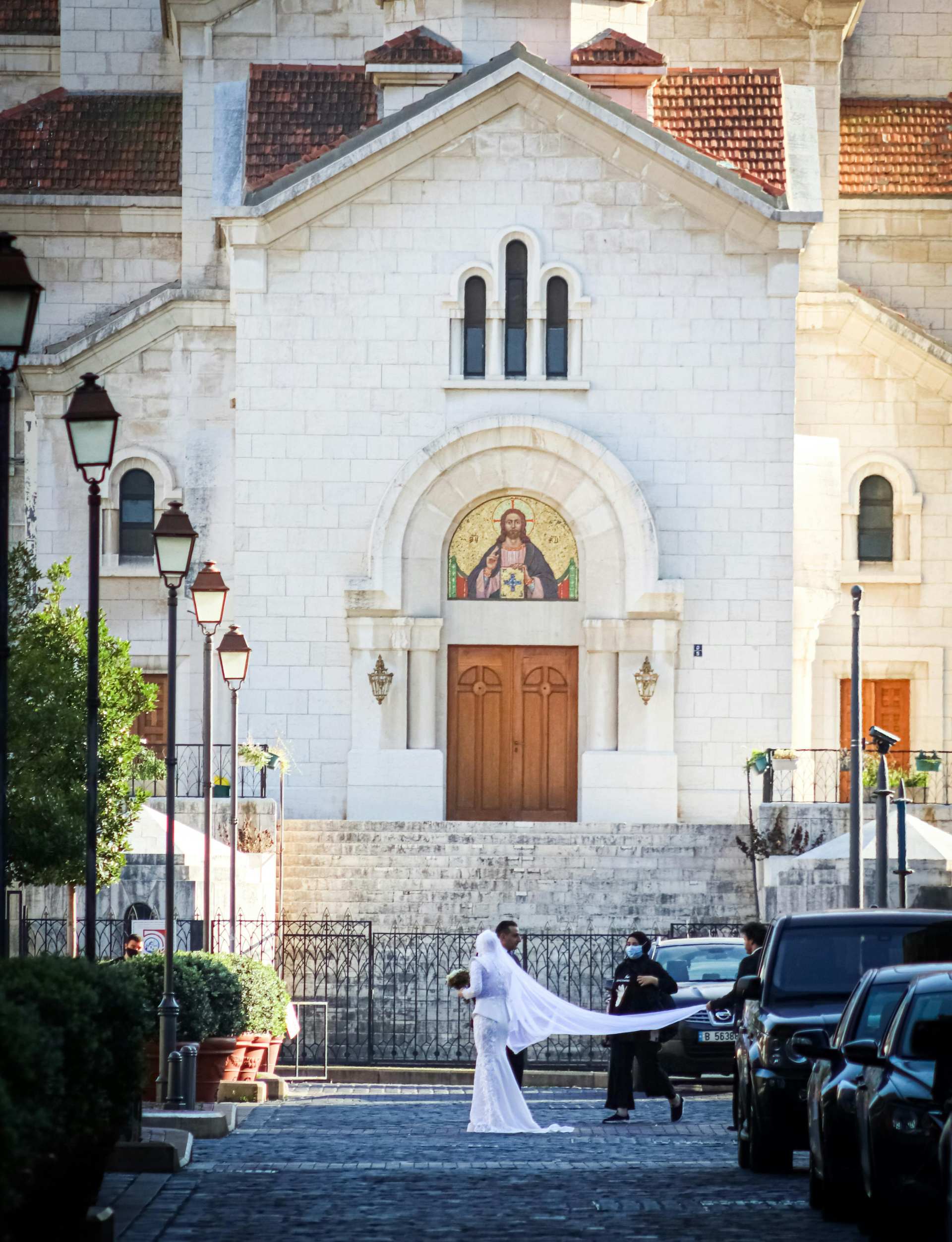
Catholic weddings in Spain are popular with international couples, especially along the Costa Blanca. The churches are beautiful, the ceremonies are recognised worldwide, and there are no residency requirements.
However, this is not a casual process. It is paperwork-led, diocesan-controlled, and timing is everything. This guide sets out how it actually works, based on current practice in Costa Blanca.
-
There are no residency requirements - You do not need to live in Spain to marry in a Catholic church here. What you do need is time, organisation, and the right documents, prepared in the right place.
- The process starts at home, not in Spain - Your marriage file must be opened in your home parish, based on where you live. Your local priest is responsible for collecting your paperwork and sending it through official diocesan channels.
Couples cannot submit documents themselves. Everything must go priest to bishop to bishop.
- Documents you will need - While individual parishes may vary slightly, most couples are asked for:
- Certified baptism certificates, issued within six months of the wedding date
- Birth certificates, usually photocopies
- Marriage preparation course certificate recognised by your home diocesLetter of freedom to marry
- Confirmed Spanish parish, date and time
If one of you is not Catholic, a dispensation for mixed marriage is required. This is requested by your home parish priest and approved by the bishop.
For couples who want an additional perspective, Sunshine Weddings Spain also share helpful guidance on the Catholic wedding process in Spain, particularly around documentation and church approvals. It’s a useful reference alongside parish-led advice. Catholic wedding process in Spain’
- Which diocese applies in Costa Blanca - This is where confusion often arises.
For Costa Blanca weddings, paperwork usually goes to:
- The Diocese of Orihuela-Alicante, covering most of the region
- Or the Archdiocese of Valencia, for some northern areas
For couples marrying in a Catholic church in Costa Banca, it does not go to Málaga. The Spanish parish priest will confirm which diocese applies.
- Timing. This is not flexible - Your complete marriage file must reach the Spanish diocese at least four to five months before your wedding date.
Your baptism certificates must still be valid at the time they are submitted. If they expire, the process stops.
Late paperwork is the most common reason Catholic weddings are postponed.
- Marriage preparation courses - Marriage preparation must be completed in your home country and recognised by your home diocese.
Some bishops accept online courses. Some do not. Always check early and do not assume.
- Certificate of No Impediment. The grey area - Historically, this certificate was not required for Catholic weddings in Costa Blanca. In recent years, however, both Alicante and Valencia dioceses have occasionally requested it, sometimes late in the process.
Best practice is to obtain it as a precaution. It can only be issued within three months of the wedding and should be brought to Spain for your final parish meeting.
In some cases, couples may also be asked to provide a Certificate of No Impediment to Marry. While this has not historically been required in Costa Blanca, recent diocesan changes mean it is sensible to obtain one as a precaution.
Link Certificate of No Impediment to Marry to GOV.UK for UK couples.
Irish couples can obtain a Certificate of No Impediment, (sometimes referred to as Freedom to Marry), through the General Register Office as part of the civil marriage notification process.
- After the wedding - Catholic marriages in Spain must be registered at the local Civil Registry. Appointments must be booked in advance. You cannot simply turn up.
Some parishes assist, but responsibility ultimately sits with the couple.
The Final Word
Catholic weddings in Costa Blanca are absolutely achievable, but they reward early planning and clear guidance. Start early, confirm everything with the parish priest, and expect the Church to have the final say.


